Arabic is spoken by over 400 million people worldwide, making it the fifth most widely spoken language in the world. It is the official language of 26 countries, including Egypt, Saudi Arabia, Morocco, Iraq, and Sudan, and it is also an official language of the United Nations. Arabic is not only spoken in the Middle East but also in many other parts of the world, including North Africa, the Horn of Africa, and parts of Asia. Arabic is also widely spoken in Muslim communities around the world, including in Europe, North America, and Australia.
Due to its historical and cultural significance, Arabic is an important language in many academic fields, such as Islamic studies, Middle Eastern studies, and Arabic literature. It is also a popular
language for business and trade in the Middle East and North Africa region. In recent years, there has been growing interest in learning Arabic, with many universities and language schools offering Arabic courses around the world. Additionally, the spread of the internet and social media has made it easier for people to connect and communicate in Arabic with speakers around the world.
Overall, Arabic is a global language with a rich history and culture, and learning Arabic can provide many opportunities for personal and professional growth. The history of the Arabic language dates back to the 6th century when it first emerged in the Arabian Peninsula. The Arabic language originated from the same Semitic language family as Hebrew and Aramaic, and it was influenced by these languages as well as by Greek and Persian.
The Arabic language played a significant role in the development of Islamic civilization, serving as the language of the Quran, the holy book of Islam. As Islam spread throughout the Middle East and North Africa, the Arabic language became the language of the ruling elite and a unifying force for the Islamic empire.
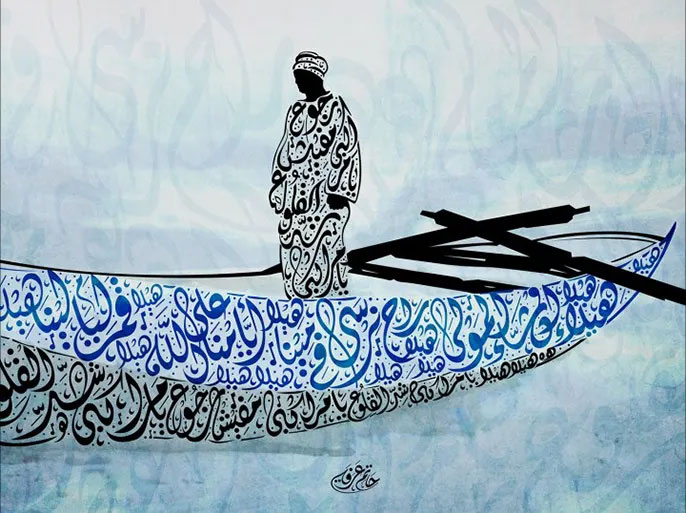
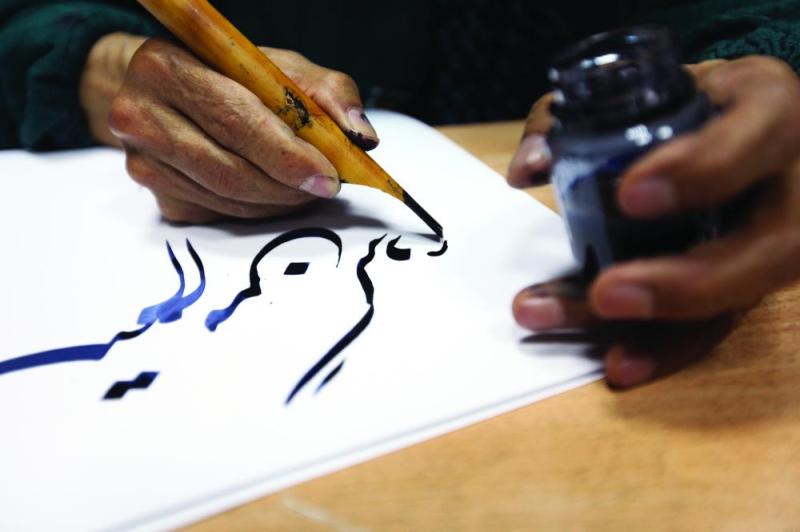
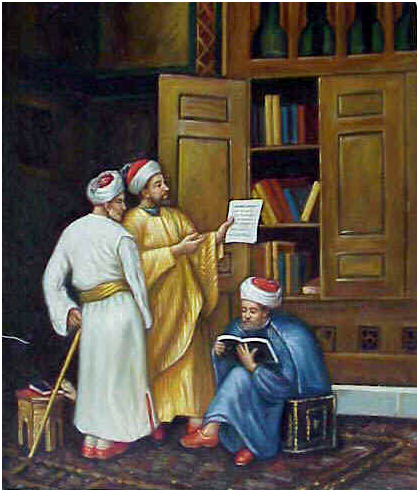
During the Islamic Golden Age (8th to 13th centuries), Arabic became the language of science, mathematics, and philosophy, and many important works were translated into Arabic from Greek, Persian, and other languages. Arabic scholars made significant contributions to these fields, and their works were later translated into other languages, including Latin. Over time, the Arabic language evolved into various dialects and forms, including Modern Standard Arabic (MSA), which is used in formal settings such as in the media, government, and academia, and various regional dialects, such as Egyptian, Levantine, and Gulf Arabic. Today, Arabic is spoken by over 400 million people worldwide, making it the fifth most widely spoken language in the world. It is the official language of 26 countries and is also an official language of the United Nations. The Arabic script is known for its beautiful and intricate calligraphy, which is used in art and design around the world.